Ward Creek Restoration Project
Project Details
LEAD AGENCIES
California Tahoe Conservancy / Forest Service, Lake Tahoe Basin Management Unit
FUNDING PARTNERS
Forest Service, Lake Tahoe Basin Management Unit / California Tahoe Conservancy
LOCATION
Help Protect Tahoe
Help protect Lake Tahoe’s clear blue waters, mountain forests, and world-class recreation by ordering your Tahoe Plate today.
Get Your Tahoe Plate
Overview
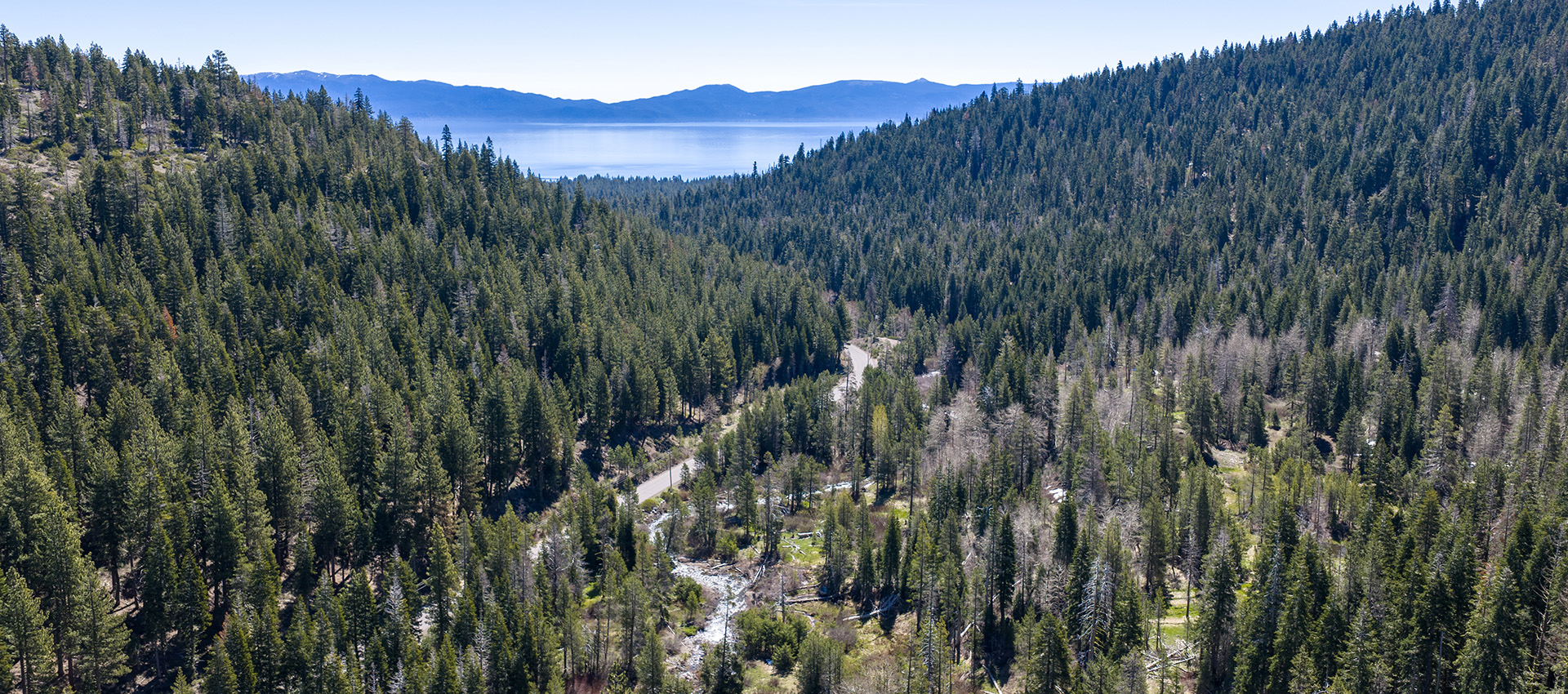
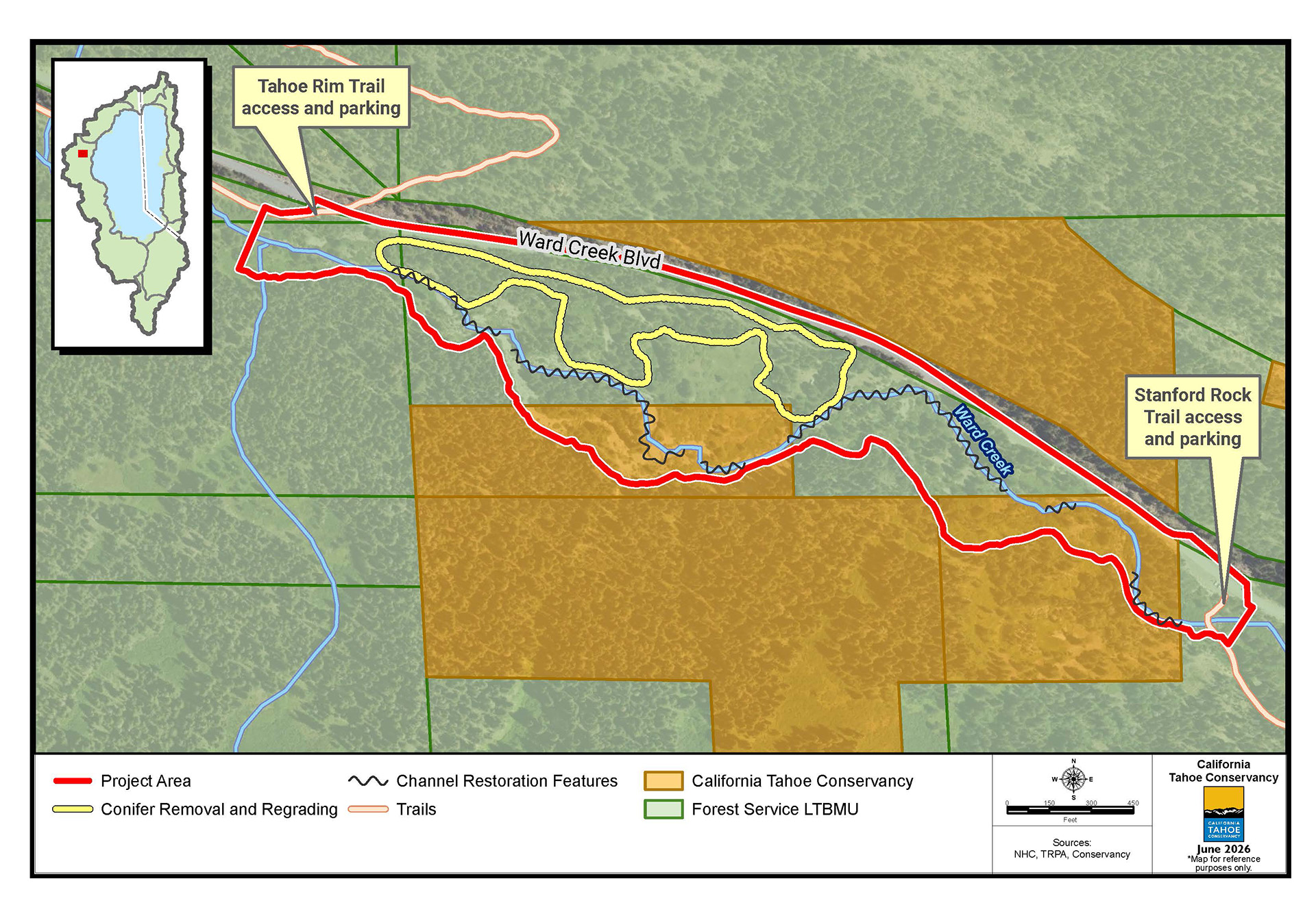
The Forest Service, Lake Tahoe Basin Management Unit (LTBMU) and California Tahoe Conservancy are jointly planning the Ward Creek Restoration Project (Project). The LTBMU and Conservancy propose to restore habitat and remove conifers on LTBMU and Conservancy lands along the creek and adjacent to Ward Creek Boulevard, approximately 1.5 miles upstream from State Route 89. The Conservancy and the LTBMU want to hear from you as project planning continues. Email Jen Greenberg, jen.greenberg@tahoe.ca.gov, with your questions or comments.
In May 2026, the Director of the California Department of Fish and Wildlife concurred with the lead agency determination by the Conservancy that the Project qualifies as a statutorily exempt restoration project under the California Environmental Quality Act.
History
The Project area is roughly 36 acres with about 0.75 miles of stream channel. Approximately 75 percent of the area is federal land, and 25 percent Conservancy land. Logging and grazing in the Project area created roads and ditches across the floodplain that now force flows to remain within the stream channel instead of spreading across the valley. These historic impacts led to an oversized channel, localized streambank erosion, reduced aquatic habitat quality, drier floodplain conditions, conifer encroachment, and increased risk of wildfire. Two recreational trails with small parking areas are adjacent to the Project: the Tahoe Rim Trail at the upstream end of the Project, and the Stanford Rock Trail at the downstream end. The 2019 Lake Tahoe West Restoration Strategy identified this area as a high priority for restoration to increase in-stream and meadow habitat complexity, promote biodiversity, and improve water quality.
The Conservancy and the LTBMU propose the following restoration actions as part of the Project:
- Removing encroached conifer trees from the meadow,
- Regrading areas of the floodplain to remove relic ditches and road surfaces,
- Installing logs and vegetation on the riverbanks and floodplain, and
- Redirecting stream flow onto the floodplain.
Ward Creek images
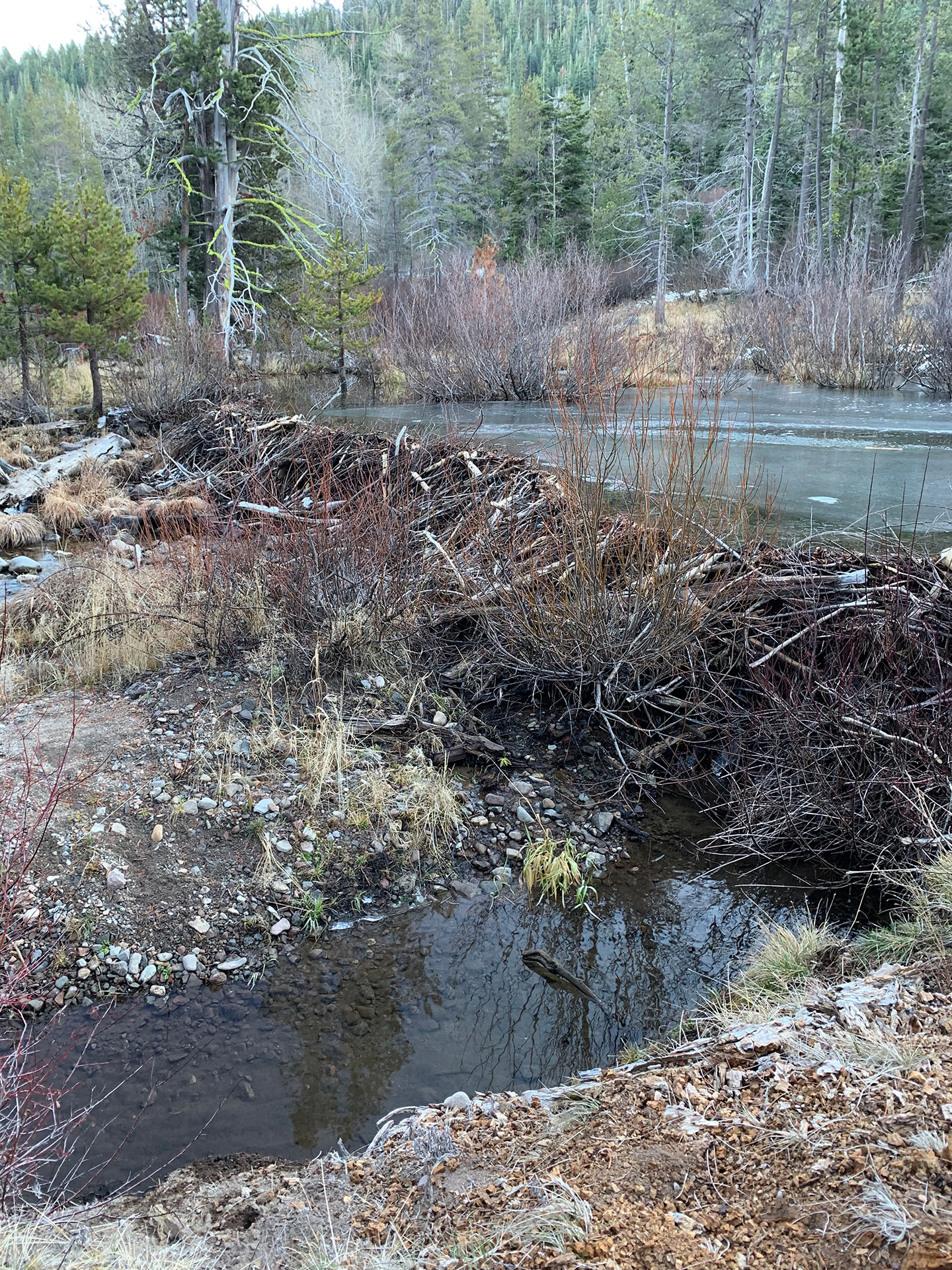
Beaver dam across Ward Creek
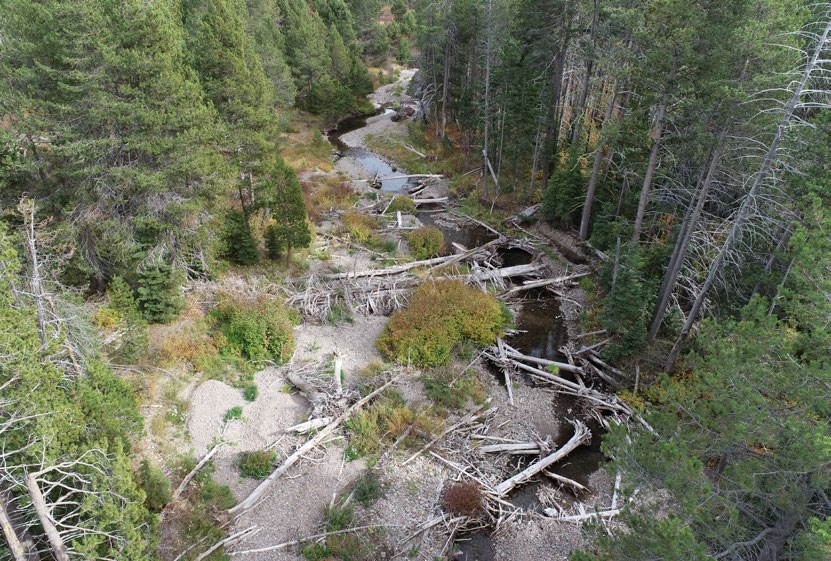
Fallen trees across Ward Creek
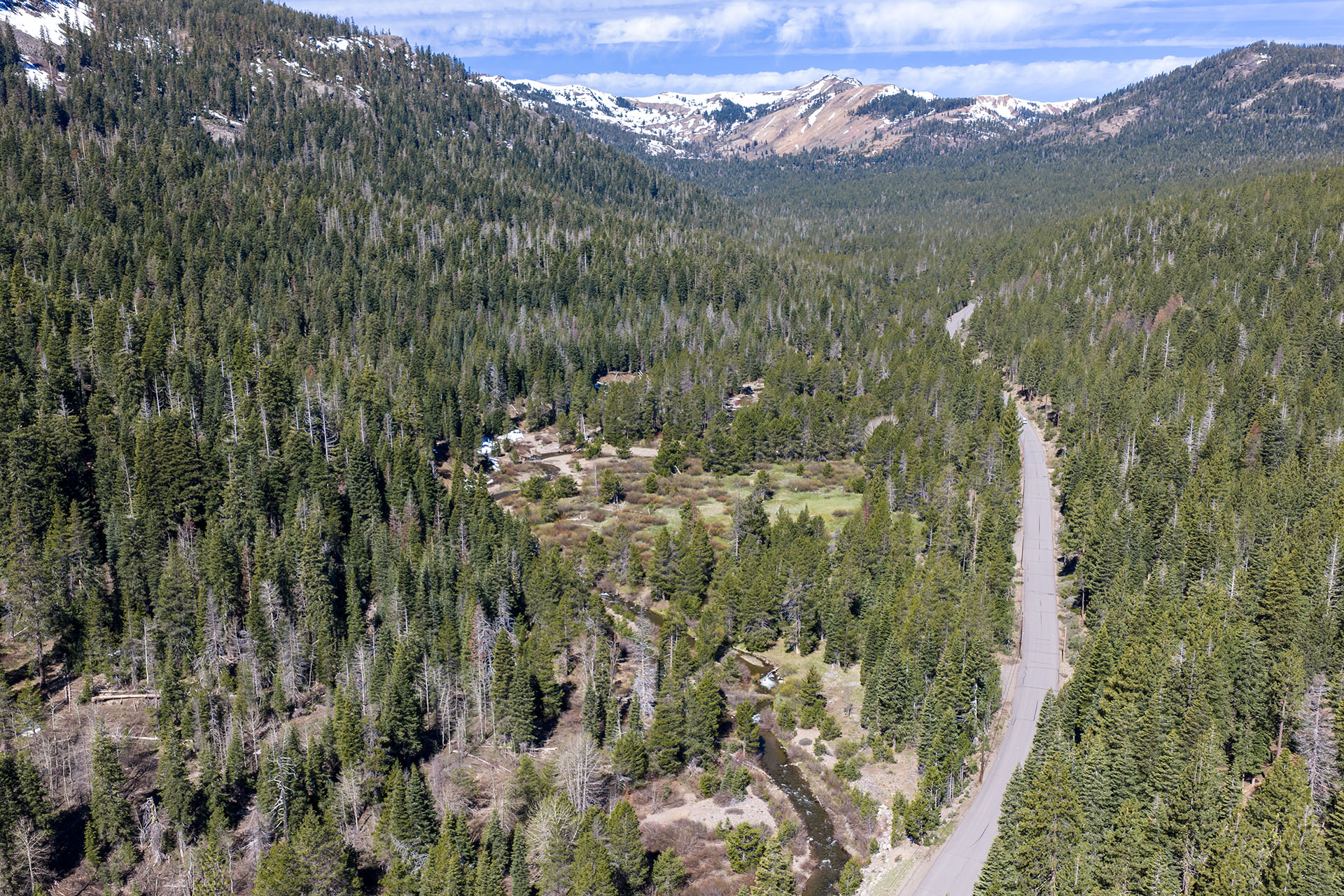
Ward Creek looking up the canyon
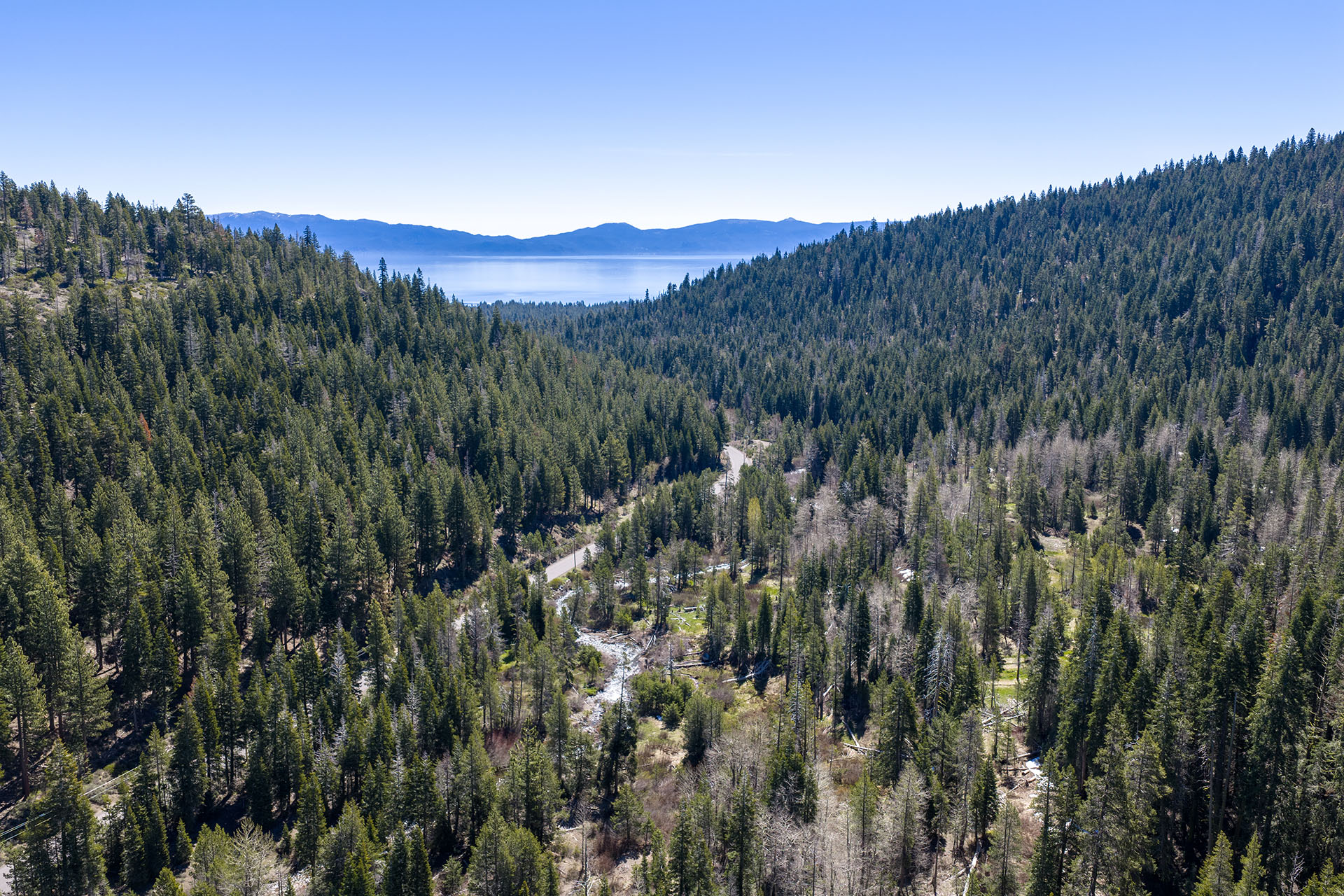
Ward Creek looking downstream toward Lake Tahoe