Published: Sep 18, 2026
Kings Beach, Calif.—The California Tahoe Conservancy Board authorized a $2 million grant for El Dorado County to build a critical missing section of the south shore shared-use trail network. The Johnson Meadow Greenway Connector Project will provide a safe route for people biking, walking, and rolling between South Lake Tahoe neighborhoods east and west of the Upper Truckee River.
“It’s exciting to see this transformative project move forward,” said Conservancy Vice Chair and El Dorado County Supervisor Brooke Laine. “By tying together our neighborhoods and visitor destinations, this new trail crossing will provide lasting benefits for residents and visitors, and even for wildlife.”
The Conservancy began planning the Greenway in 2002, using the leftover right-of-way from a planned-but-canceled major freeway through south shore communities. Current sections of the Greenway provide car-free access for visitors and residents to neighborhoods, schools, parks, recreation areas, and other community destinations throughout South Lake Tahoe. The Conservancy and its partners long hoped to add a Greenway connection across the Upper Truckee River to the Barton Memorial Hospital and South Tahoe “Y” areas. This crossing became a possibility when Tahoe Resource Conservation District acquired Johnson Meadow in 2018.
The Conservancy grant awarded at the Board meeting yesterday, using Proposition 4 (Climate Bond) funds, completes the funding the County will need to build this Lake Tahoe Environmental Improvement Program (EIP) project. Additional funding for the project comes from the U.S. Federal Highway Administration, Caltrans, and the Tahoe Regional Planning Agency, along with potential funding from El Dorado County. The County expects to begin construction in 2027.
Raised trail and bridge sections over creek and meadow crossings protect sensitive meadow habitat and infrastructure from high water flows and provide safe passage for wildlife. The same structures will also keep the trail open during higher flows from extreme weather events.
The Greenway is named in honor of Dennis T. Machida, the Conservancy’s first executive director, who long advocated to expand public recreation and alternative transportation opportunities.
At the same meeting, Herman Fillmore, Culture and Language Resources Director for the Washoe Tribe of Nevada and California, provided a training for the Conservancy Board. DaɁaw (Lake Tahoe) is the homeland of the Waší∙šiw (Washoe people – the people from here). The Waší∙šiw are the original stewards of the land in and around the Lake Tahoe Basin (Basin) since time immemorial. As a sovereign nation, the Washoe Tribe continues to advocate for the protection and preservation of Waší∙šiw ɁítdeɁ (the Washoe people’s homelands).
Also at the same meeting, the Board authorized the Conservancy to accept a $1 million grant from the California Wildlife Conservation Board, via the nonprofit Wildlife Crossing Fund. The grant will support the Conservancy and Caltrans to participate in planning and environmental review for the South Tahoe Basin Wildlife Crossings Project. The Project, led by the Wildlife Crossing Fund, will help restore habitat connectivity, improve public safety, and provide safe passage for wildlife through the Basin.
Media Resources:
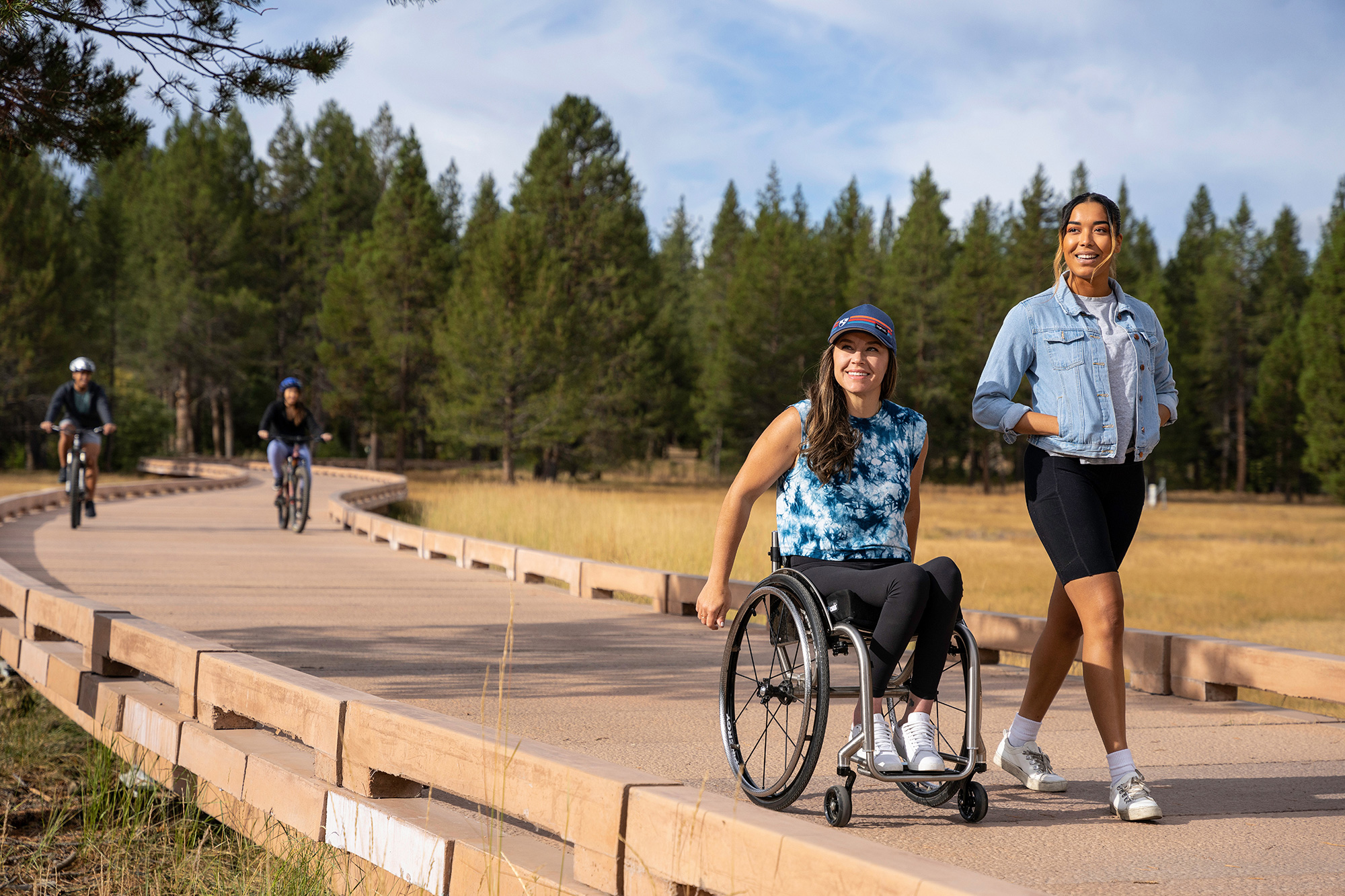
- Photo of people enjoying one of the completed sections of the Dennis T. Machida Memorial Greenway (jpg)
- Map of the Johnson Meadow Greenway Connector Project (PDF)
Media Contact: Chris Carney, Communications Director, chris.carney@tahoe.ca.gov, 530-543-6057
###
About the Conservancy: The California Tahoe Conservancy is a state agency, established in 1984, with a mission to lead California’s efforts to restore and enhance the extraordinary natural and recreational resources of the Lake Tahoe Basin. Learn more at tahoe.ca.gov.
About the EIP: Since 1997, the Lake Tahoe Environmental Improvement Program (EIP) has been the driving force behind the basin’s environmental restoration. From restoring meadows to improving bike and pedestrian paths, the EIP drives investments in projects that protect water quality, reduce wildfire risk, restore ecosystems, and support sustainable recreation. With the support of federal, state, and local agencies, the Washoe Tribe of Nevada and California, scientists, and the private sector, the EIP is one of the most successful large-scale conservation programs in the nation. For more information, visit restoretahoe.org.